
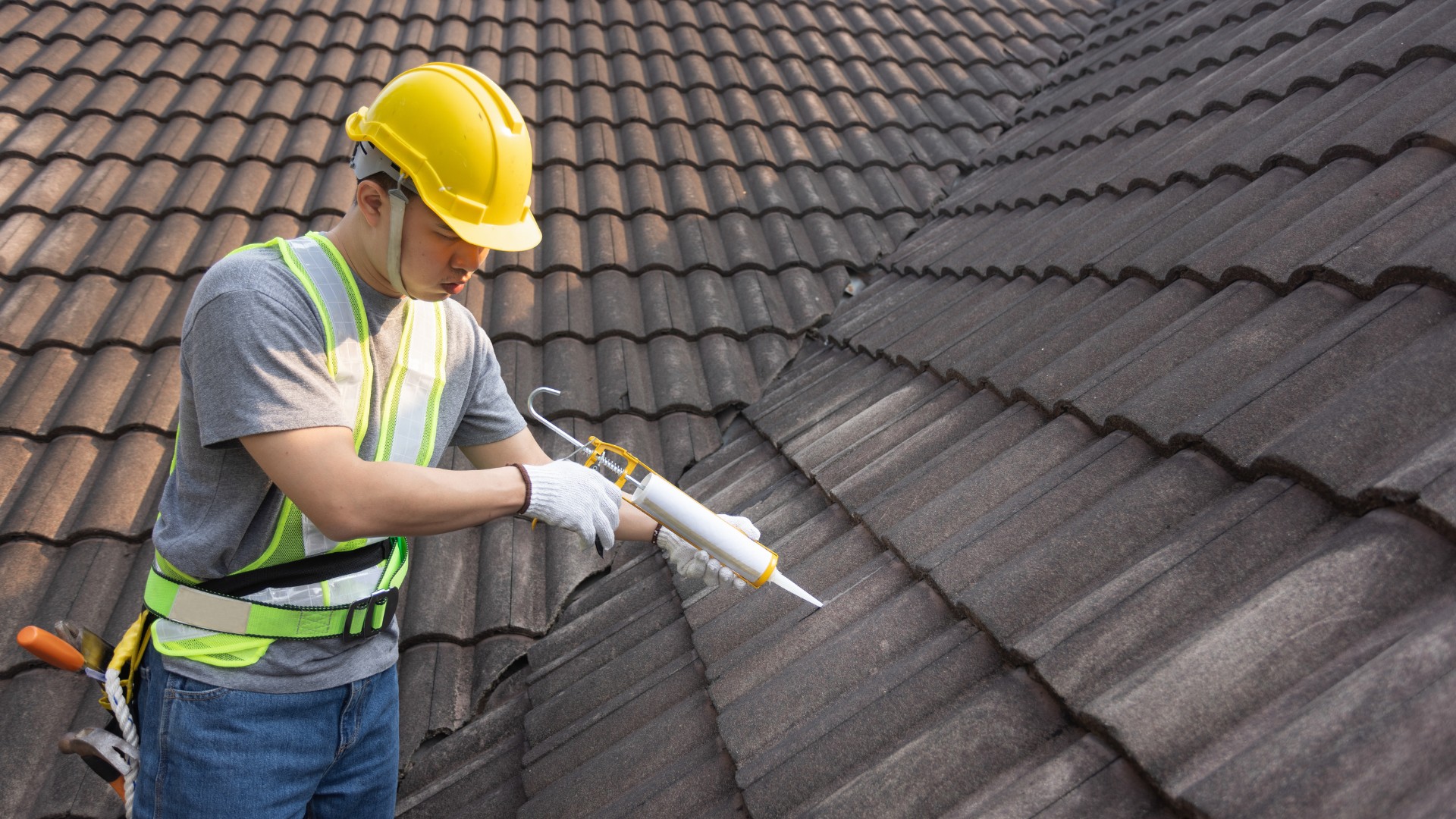
Are you tired of feeling intimidated by home improvement projects? Are you eager to take control of your living space and unleash your inner handyman? If so, you’re in the right place! In this comprehensive guide, we’re about to embark on an exciting journey together, where we’ll dive deep into the realm of do-it-yourself (DIY) projects.
From small repairs to ambitious renovations, I’m here to share valuable insights and practical tips that will empower you to tackle any task with confidence.
So, what can you expect from our exploration? Get ready to discover the secrets to mastering home DIY projects like a pro. Whether you’re a seasoned DIY enthusiast or just dipping your toes into the world of home maintenance, there’s something here for everyone.
By the end of our journey, you’ll not only learn how to avoid common mistakes but also emerge as a true handyman hero in your own right.
The Temptation of DIY: Exploring the Allure and Cost-Saving Potential
Delving into the world of do-it-yourself (DIY) projects is akin to embarking on an exhilarating adventure. The allure of DIY lies not only in the prospect of transforming your living space but also in the satisfaction of knowing you accomplished it with your own two hands.
From painting walls to assembling furniture, the possibilities seem endless, and the sense of pride that comes with completing a DIY project is unmatched.
One of the most enticing aspects of DIY is the potential for significant cost savings. By taking on tasks yourself, you can bypass labor costs and potentially save hundreds, if not thousands, of dollars. For budget-conscious homeowners, this can be a compelling reason to roll up their sleeves and tackle projects independently.
However, amid the excitement and allure of DIY, it’s essential to approach each project with a discerning eye. While some tasks may be well within your capabilities, others may require specialized skills, tools, or knowledge. Knowing when to DIY and when to call in a professional is crucial for ensuring the success and safety of your home improvement endeavors.
Sure, painting a room or installing a new light fixture might be relatively straightforward tasks that most homeowners can handle with ease. But what about more complex projects like electrical rewiring or structural renovations?
Attempting these tasks without the proper expertise can not only result in subpar results but also pose significant risks to your safety and the integrity of your home.
Understanding your limitations and recognizing when a project is beyond your skill level is key to avoiding costly mistakes and potential disasters. While DIY offers a sense of empowerment and creativity, there are times when it’s best to defer to the expertise of trained professionals.
So, as we embark on this journey into the world of home improvement, let’s keep in mind the dual nature of DIY: a source of empowerment and creativity, but also a responsibility to know when to seek professional assistance. By striking the right balance between DIY enthusiasm and practicality, we can unlock the true potential of our homes while ensuring peace of mind every step of the way.
Common DIY Mistakes: Navigating Pitfalls for Success
Embarking on a do-it-yourself (DIY) project is akin to setting sail on an adventure filled with excitement, creativity, and the promise of transforming your living space. However, amidst the thrill of DIY, it’s easy to overlook the potential pitfalls that lie ahead. From novice homeowners to seasoned DIY enthusiasts, we all face challenges and setbacks along the way.
As we delve into the world of DIY, it’s crucial to recognize that mistakes are an inevitable part of the learning process. Yet, by understanding the most common pitfalls and learning how to avoid them, we can minimize frustration and maximize our chances of success. Whether you’re painting a room, installing new fixtures, or tackling a major renovation, being aware of potential stumbling blocks is essential for achieving your DIY goals.
One of the most common mistakes that homeowners make in their DIY endeavors is poor planning. Rushing into a project without a clear roadmap can lead to costly errors, wasted time, and unnecessary stress. From underestimating the time and resources required to failing to obtain the necessary permits, overlooking crucial planning steps can derail even the most well-intentioned DIY efforts.
Another frequent misstep is biting off more than you can chew. While it’s natural to feel ambitious and eager to take on big projects, overestimating your abilities or tackling tasks beyond your skill level can quickly turn into a recipe for disaster. From botched electrical wiring to crooked shelves and leaky plumbing, attempting complex projects without the proper expertise can result in costly repairs and safety hazards.
Furthermore, neglecting to use the right tools and materials can lead to subpar results and frustration. Investing in quality tools and supplies may seem like an added expense, but it’s essential for ensuring the success and longevity of your DIY projects. From paintbrushes and power tools to adhesives and fasteners, using the proper equipment can make all the difference in the outcome of your endeavors.
Lastly, failing to prioritize safety is perhaps the most significant DIY mistake homeowners can make. From wearing protective gear to following proper procedures, taking shortcuts or disregarding safety protocols can result in serious injuries and accidents. Whether you’re working with power tools, climbing ladders, or handling hazardous materials, prioritizing safety should always be your top priority.
As you prepare to embark on your next DIY endeavor, remember the significance of meticulous planning, recognizing your boundaries, utilizing appropriate tools, and ensuring safety throughout the process. By adopting the right mindset and approach, you’ll be equipped to transform your DIY aspirations into tangible achievements. Let your home become a canvas where your creativity flourishes, resulting in a space that authentically mirrors your individuality and vision.
Electrical Endeavors: Shocking Mistakes to Avoid
Prepare to electrify your understanding of electrical DIY projects. Embarking on electrical tasks can be both thrilling and daunting. The prospect of installing new light fixtures, wiring outlets, or upgrading your home’s electrical system holds the promise of enhancing comfort and convenience. However, it’s essential to approach these endeavors with caution and respect for the inherent risks involved. As we delve into the electrifying world of electrical DIY, let’s shed light on the dos and don’ts to ensure your safety and success.
Understanding the fundamentals of electrical work is paramount before attempting any DIY projects. Firstly, always remember to turn off the power to the circuit you’ll be working on at the breaker box. This simple step can prevent electric shocks and potential fires. Additionally, investing in quality tools and equipment designed for electrical work is non-negotiable. Using improper tools can lead to accidents and damage to your electrical system. When it comes to wiring, proper insulation and securing connections are essential to prevent short circuits and electrical fires. Never overload circuits by plugging in too many devices or appliances, as this can lead to overheating and potentially cause electrical hazards. Lastly, if you’re unsure about any aspect of an electrical project, it’s always best to consult with a qualified electrician.
By mastering these safety tips and understanding common electrical mishaps, you’ll not only protect yourself and your home but also gain the confidence to tackle electrical projects like a seasoned pro. Remember, electrical work requires precision, attention to detail, and a healthy respect for the power of electricity. So, as you embark on your next electrical DIY project, do so with caution and expertise. With the right knowledge and precautions, you can safely navigate the electrifying world of DIY and transform your home with confidence.
Plumbing Perils: Leaky Situations to Dodge
Dive into the depths of plumbing DIY and emerge unscathed. Plumbing tasks often strike fear into the hearts of homeowners, and for a good reason. The intricate network of pipes and fixtures that make up a home’s plumbing system can seem like a maze of mysteries, with potential leaks and water damage lurking around every corner. However, armed with the right knowledge, tools, and precautions, you can navigate these challenges and emerge victorious from any leaky situation.
In this section, we’ll explore essential tips to prevent costly leaks and water damage by steering clear of common plumbing mistakes. One of the most critical aspects of plumbing DIY is understanding the complexity of the task at hand. While some projects may appear simple on the surface, such as replacing a showerhead or unclogging a drain, others require specialized skills and expertise. Attempting these tasks without the necessary knowledge can lead to costly mistakes and water damage.
Another common mistake homeowners make when tackling plumbing projects is using improper tools or materials. From using the wrong type of pipe for a specific application to using low-quality fittings and connectors, using subpar materials can compromise the integrity of your plumbing system and lead to leaks and other issues down the line. Always ensure you’re using the right tools and materials for the job to avoid costly repairs in the future.
Additionally, failing to shut off the water supply before beginning a plumbing project is a recipe for disaster. Whether you’re replacing a faucet or fixing a leaky pipe, turning off the water at the main shut-off valve is essential to prevent flooding and water damage. Always locate and familiarize yourself with the location of your home’s main shut-off valve before starting any plumbing work.
Lastly, neglecting regular maintenance and inspections can lead to unexpected plumbing emergencies. Scheduling routine checks of your plumbing system, including inspecting for leaks, checking water pressure, and cleaning out drains, can help prevent minor issues from escalating into major problems.
By understanding these common plumbing mishaps and taking the necessary precautions, you can tackle plumbing DIY projects with confidence and peace of mind. Remember, when in doubt, it’s always best to consult with a professional plumber to ensure the safety and integrity of your home’s plumbing system. So, as you embark on your next plumbing project, do so with caution and expertise, and emerge victorious from any leaky situation that comes your way.
Structural Slip-Ups: Building a Solid Foundation
Embark on the journey of structural DIY projects with confidence. As you step into the realm of home improvement, tackling structural tasks may seem daunting, but with the right approach, you can lay a solid foundation for success. Whether you’re building a new deck, renovating a room, or adding an extension, ensuring structural integrity is crucial for the safety and longevity of your home.
Navigating the intricacies of structural DIY projects requires careful planning and consideration. One of the first steps is to assess the existing structure of your home. Understanding its layout, load-bearing walls, and foundation is essential before making any alterations or additions.
This initial evaluation will provide valuable insights into the feasibility of your project and help you identify potential challenges that may arise along the way.
Once you have a clear understanding of your home’s structural framework, it’s time to develop a comprehensive plan for your DIY project. Consider factors such as materials, design specifications, and budget constraints as you outline the scope of your endeavor. Consulting with a structural engineer or architect can provide invaluable guidance and ensure your plans meet building codes and safety standards.
When it comes to executing your structural DIY project, attention to detail is key. From accurately measuring and cutting materials to properly securing load-bearing elements, precision is essential to ensure the stability and safety of your construction.
Take the time to familiarize yourself with relevant building techniques and best practices to minimize the risk of errors and setbacks.
Throughout the construction process, it’s essential to remain vigilant for potential structural hazards that may arise. Keep an eye out for signs of foundation damage, such as cracks in walls or uneven floors, and address any issues promptly to prevent further deterioration.
Additionally, be mindful of environmental factors such as soil composition and drainage patterns that may impact the stability of your project.
By taking a proactive approach to structural DIY projects and prioritizing safety and quality, you can lay the groundwork for a successful outcome. Remember, while DIY can be rewarding, there are times when it’s best to enlist the help of professionals, particularly for complex structural tasks.
With careful planning, attention to detail, and a commitment to excellence, you can embark on your structural DIY journey with confidence and create a home that is both beautiful and structurally sound.